Winter Health Risks for Dogs and Cats: Why Cold, Dry Air and Shifting Pressure Matter
A veterinarian explains what December does to your pet’s body — especially in high-rise living.

As December arrives, colder temperatures, drier air, and frequent shifts in weather-related barometric pressure place added strain on the bodies of dogs and cats. These effects can be especially pronounced for pets living in high-rise apartments, where the contrast between outdoor conditions and indoor environments tends to be greater, making animals more vulnerable to seasonal stress.
Below, from a veterinarian’s perspective, are the key health concerns to watch for during winter—explained clearly and supported by medical insight.
Cold Weather Puts Stress on Metabolism and the Circulatory System

December brings sudden drops in temperature, making it harder for dogs and cats to regulate their body heat. Small-breed dogs and short-haired cats are particularly susceptible to cold-related stress and heat loss.
According to guidance from the World Small Animal Veterinary Association (WSAVA), when indoor temperatures fall below 20°C (68°F), animals must increase their metabolic activity to maintain body temperature, placing additional strain on the body.
Conditions that tend to worsen in colder weather include:
- Arthritis and chronic joint pain
- Increased cardiovascular strain in pets with heart or kidney disease
To reduce physical stress, indoor temperatures should ideally be kept between 20–24°C (68–75°F). Raising beds slightly off the floor and using insulating mats can also help protect pets from cold seeping up from below.
Dry Winter Air Can Trigger Skin Problems
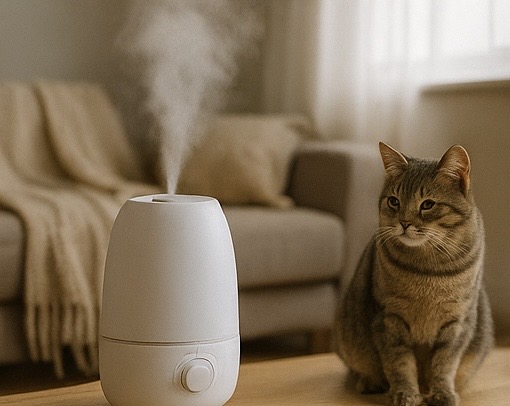
Humidity levels drop sharply in December, and indoor heating can push humidity below 30 percent. Veterinary dermatology research shows that when humidity falls under 40 percent, skin moisture decreases significantly, weakening the skin’s natural barrier.
Common symptoms associated with dry air include:
- Increased dandruff
- Itching
- Excessive grooming
- Worsening of atopic dermatitis
High-rise apartments, which are typically well-sealed, tend to dry out easily. Using a hygrometer and maintaining indoor humidity between 45–60 percent is recommended. Humidifiers can help, and supplements containing omega-3 fatty acids (EPA/DHA) are often beneficial for skin health.
Barometric Pressure Changes Can Affect Overall Well-Being
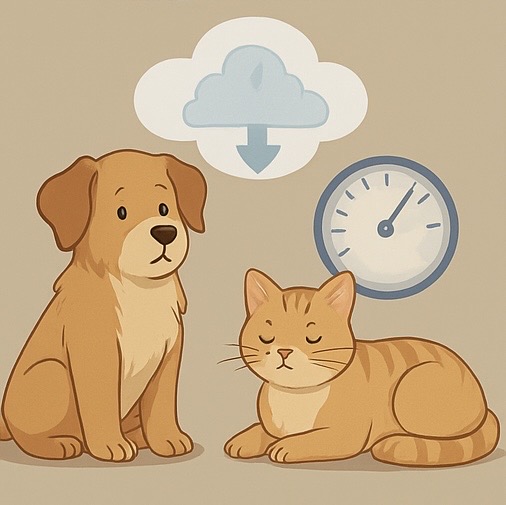
Winter brings more frequent low-pressure systems, which can subtly affect dogs’ and cats’ physical condition. Drops in barometric pressure may influence the autonomic nervous system, leading to:
- Lethargy
- Changes in appetite
- Reduced activity levels
Studies have shown that dogs with arthritis often experience increased pain on low-pressure days. In cats, activity levels have been observed to drop by 10–20 percent during periods of falling atmospheric pressure.
Today, barometric pressure apps are readily available on smartphones. Monitoring these changes can help pet owners anticipate potential discomfort—prompting closer observation on low-pressure days. If symptoms persist, adjustments to pain management or supplements should be discussed with a veterinarian.
Winter Reveals Subtle Health Differences

Because winter places greater overall stress on the body, underlying health issues that may go unnoticed during other seasons often become more apparent in December.
These may include:
- Declining joint strength in senior pets
- Worsening heart or kidney disease
- Stress-related behavioral changes
Be especially attentive if you notice:
✔ Longer sleeping hours than usual
✔ Hesitation with steps or jumping
✔ Fluctuating appetite
✔ Sudden increases or decreases in water intake
Because cold and dry conditions intensify physical strain, early veterinary visits and routine checkups are particularly important during this season.
Summary
December combines three challenging factors—cold temperatures, dry air, and barometric pressure changes—making it a demanding time for dogs and cats. Medical research clearly shows that these elements can influence physical health and comfort.
Key points to keep in mind:
- Indoor temperature: 20–24°C (68–75°F)
- Humidity: 45–60 percent
- Protection from cold floors
- Awareness of barometric pressure changes
- Preventive skin care
By addressing these factors, pet owners can create a comfortable winter environment for their animals. Watch closely for small changes, and consult your veterinarian promptly if concerns arise.
About Our Clinic
Located in Tsukishima, Tokyo—near Ginza and surrounded by high-rise residences—our clinic strives to be a foreigner-friendly animal hospital. We aim to provide a welcoming place where international pet owners can feel comfortable seeking advice, no matter how small the concern. We will continue to expand our services to better support our diverse community.
Clinic Website: https://www.anima-ah.com