New Year Pet Care Guide in Tokyo | Vaccines, Parasite Prevention & Safety | ANIMA Animal Hospital

Organizing Your Annual Preventive Care Schedule
The new year is an ideal time to review your pet’s health management plan. The first priority is vaccination. The World Small Animal Veterinary Association (WSAVA) recommends prioritizing “core vaccines,” which protect against life-threatening diseases, while additional vaccines should be determined based on lifestyle factors such as outdoor exposure, cohabiting animals, travel, and boarding. In Japan, rabies vaccination for dogs is legally required. In high-rise apartment environments like ours, pets frequently use elevators and shared spaces where contact with people and animals can occur even briefly. Puppies, kittens, senior pets, and those with medical conditions should have their vaccination records reviewed carefully, and vaccinations should be scheduled when they are in good health. Adult pets typically require vaccinations once a year, but the timing and vaccine type are equally important. If you are unsure about your pet’s schedule, please feel free to consult us.
Winter Weight Management and Indoor Injury Prevention
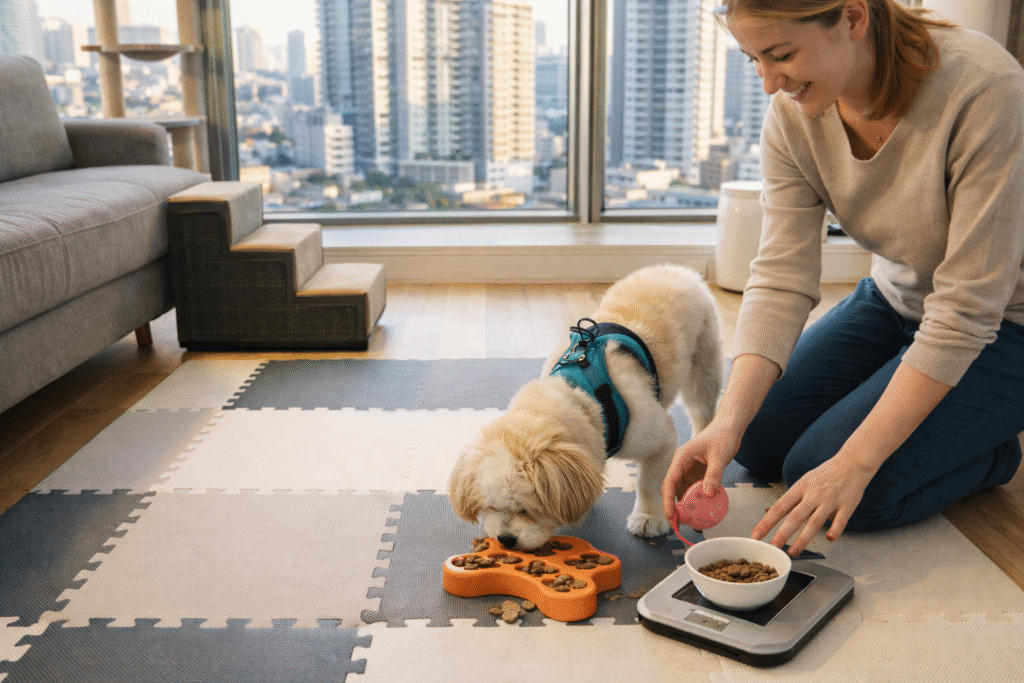
Winter often brings reduced activity and increased risk of weight gain. The key is making small adjustments to both exercise and diet. Even indoors, activities such as hiding food for your pet to find, using enrichment toys, or gentle indoor walking can provide sufficient stimulation. Slippery flooring can increase stress on joints and lead to injuries. Placing rugs or mats, keeping nails trimmed, and providing steps for sofas can help prevent accidents. Dry indoor air from heating systems may also contribute to skin problems or coughing, so maintaining humidity between 40–60% is recommended. Measure food portions accurately using measuring cups or kitchen scales, rather than estimating. Weigh your pet once monthly at the same time of day to monitor trends. Treats should not exceed 10% of daily caloric intake. Cats benefit from safe vertical spaces, but ensure structures are stable to prevent falls. Short walks divided into multiple sessions can also be beneficial. Consistency is key.
Heartworm, Fleas, and Ticks: Prevention Is Essential Even Indoors
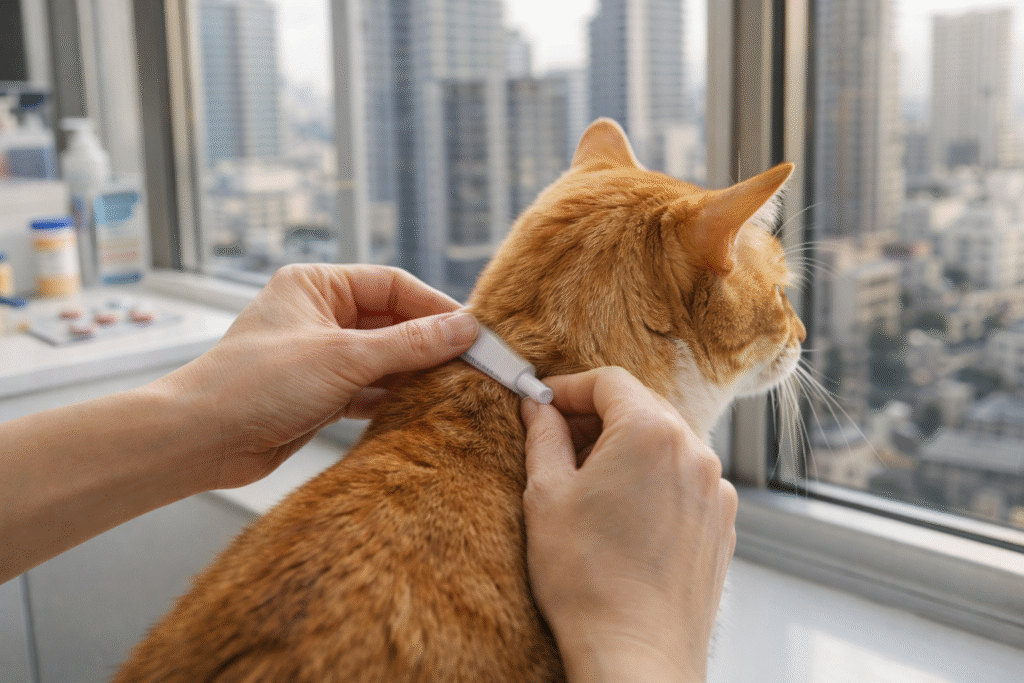
Parasite prevention should also be part of your annual routine. Japanese Ministry of the Environment guidelines recommend prevention against heartworm, fleas, and ticks. Mosquitoes become active around 15°C (59°F), so preventive medication is typically given from spring through autumn, with testing performed before starting. Indoor pets are not completely risk-free. Fleas and ticks can enter homes on clothing, shoes, balconies, or landscaped areas around apartment buildings. Ticks may even be found during warmer winter days. Preventive options include oral medications, topical treatments, and long-acting injections. The best choice depends on your pet’s personality and your ability to maintain consistent administration. Use calendar reminders to avoid missed doses. Fleas can cause itching and dermatitis, while ticks can transmit serious diseases. Severe Fever with Thrombocytopenia Syndrome (SFTS), a tick-borne disease transmissible to humans, has been confirmed in Tokyo. Heartworms live in the heart and pulmonary vessels and can cause coughing, lethargy, and serious complications. Preventive medications are designed to prevent infection. Also inspect window screens regularly.
Holiday Hazards: Ingestion and Escape Risks in High-Rise Living
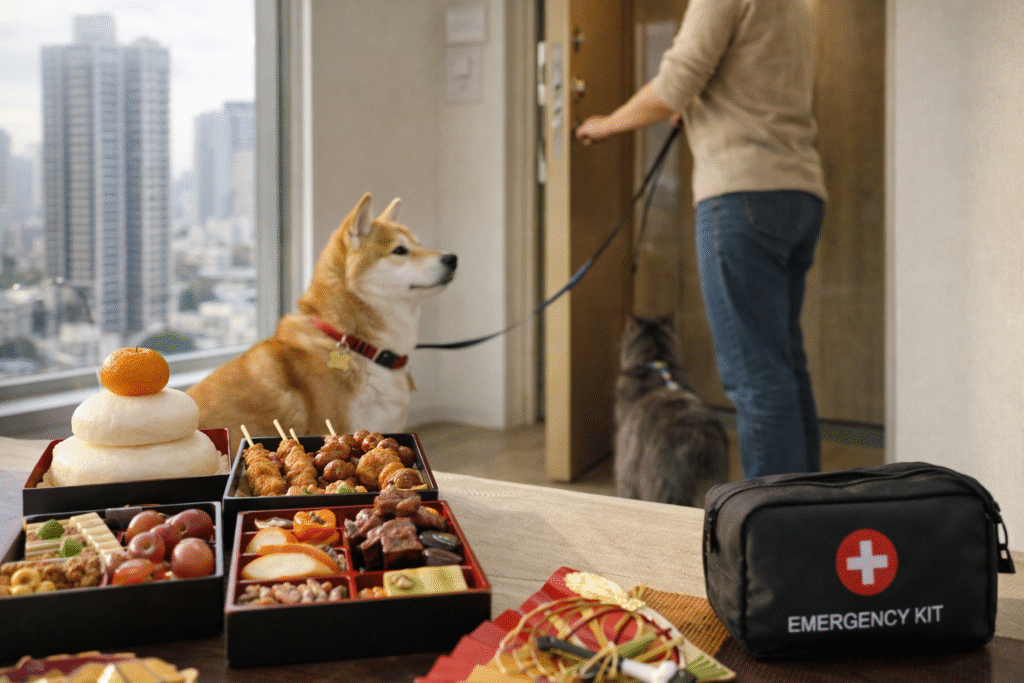
The New Year holiday season brings increased risks of accidental ingestion and escape. Foods such as rice cakes, skewers, bones, fried foods, chocolate, onions, grapes, and xylitol-containing sweets are dangerous for pets and should never be left unattended. The ASPCA toxic food list is a helpful reference. Increased visitors and door activity also raise escape risks. In high-rise apartments, pets escaping into hallways or stairwells can be difficult to locate. Japan’s microchip registration system helps improve recovery chances. If your pet already has a microchip, confirm that your contact information is current. ID tags, carrier training, and calm elevator behavior are also helpful for emergency preparedness. Balconies present fall risks, so use window stoppers and safety measures. If accidental ingestion occurs, record the substance, estimated amount, and time of ingestion before seeking veterinary care. Always keep emergency contact information accessible.
Summary
January is an ideal time to establish a preventive care plan. We recommend reviewing vaccination and health check schedules, maintaining weight and indoor exercise routines, confirming parasite prevention timing, and reviewing safety measures including ingestion prevention, escape prevention, and microchip registration. By understanding the unique risks of high-rise living—including elevators, shared spaces, and balconies—you can ensure a safe and healthy year for your pet.
_____________
Located in Tsukishima, Tokyo, near Ginza and surrounded by high-rise residential buildings, our hospital strives to provide a welcoming and foreigner-friendly veterinary environment. We are committed to being a place where international pet owners can consult with confidence about any concern, no matter how small.
Our website: https://www.anima-ah.com/
Learn more about our English-speaking veterinary services in Tokyo:
https://www.anima-ah.com/
ANIMA Animal Hospital is an English-speaking veterinary clinic in Tokyo providing preventive care, vaccinations, and advanced treatment for dogs and cats living in high-rise apartments.